Sustainable Living Starts Small: How Sonoma County Homeowners Are Building Greener Futures
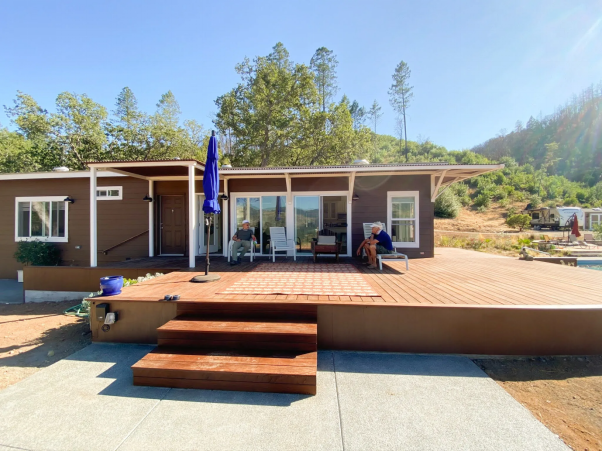
Sustainability can feel like a big, abstract goal — solar panels, electric cars, and sweeping policy changes. But for many households, a greener future starts much closer to home: with compact, efficient dwellings that use fewer resources and last longer. That’s why Sonoma County’s small homes and prefab accessory units are drawing so much attention.
Instead of overbuilding, more local homeowners are focusing on right-sized, well-designed spaces that prioritize durability, comfort, and energy performance. Companies like Sonoma Manufactured Homes are playing a key role in this shift by combining factory-built precision with on-the-ground expertise in layout, moisture control, and long-term livability.
Why Sustainable Living Starts Small in Sonoma County
Sonoma County’s appeal comes with a cost: high land prices, strict regulations, and a housing market that can feel out of reach for many residents. Smaller, factory-built homes offer a practical alternative. They use fewer materials, can be installed more quickly, and often require less energy to heat and cool.
For homeowners, the benefits are tangible:
● Lower overall resource use
● Reduced operating costs
● Less maintenance and fewer large systems to manage
When combined with careful siting and thoughtful design, Sonoma County’s small homes can also make better use of outdoor space — gardens, patios, and shared courtyards — so the whole property feels more generous than the square footage might suggest.
Prefab ADUs and cottages add another layer of flexibility. They can support extended family, provide rental income, or serve as future caregiver housing, all while keeping the footprint relatively modest compared to a full-size second house.
Factory-Built Precision: Less Waste, Smaller Footprints
One of the biggest sustainability advantages of prefab construction is what happens long before the home arrives on-site. In a factory environment, materials are stored indoors, cuts are precise, and crews follow repeatable processes. That means:
● Fewer offcuts ending up in dumpsters
● Less damage from rain or sun
● Consistent insulation and air-sealing quality
When prefab ADUs in Sonoma County or small homes are built this way, the structure starts out with a smaller waste footprint than a comparable site-built project. The site itself also sees fewer disturbances. Instead of months of framing and staging, crews focus on foundations, utilities, and access, then set the home once it’s ready.
Local specialists such as Sonoma Manufactured Homes coordinate this process so factory schedules, deliveries, and inspections line up. The result is a build that’s not only more efficient but also more predictable, which makes sustainable choices easier to plan and finance.
Energy Efficiency and Comfort in Compact Homes
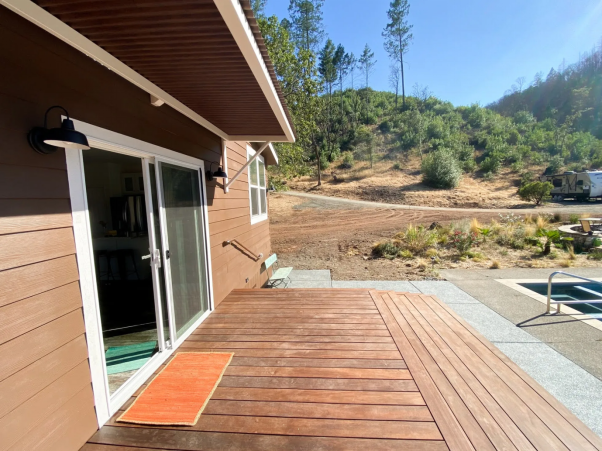
Passive design elements make small homes more efficient and comfortableA smaller home doesn’t automatically guarantee lower energy bills — but a smaller, well-designed home often does. Compact structures have less surface area to lose heat in winter or gain it in summer, and modern manufactured builds take advantage of that with tight envelopes and thoughtful detailing.
In many projects, Sonoma County small homes feature:
● High-performance windows and doors
● Continuous insulation in walls, floors, and roofs
● Careful air sealing around penetrations and joints
● Right-sized heating and cooling equipment
Combined, these features allow homes to use less energy while keeping interior temperatures more stable. Residents notice fewer drafts, more even comfort, and lower utility costs. In smaller Sonoma County living spaces, the difference is especially noticeable — good design choices show up in everyday life, not just on an energy model.
But there’s a catch: the tighter a home is, the more important it becomes to manage moisture and indoor air quality. That’s where sustainable design has to move beyond insulation and look closely at what’s happening with humidity.
Moisture, Health, and Durability: The Hidden Side of Sustainability
Modular and factory-built homes are known for speed, efficiency, and affordability. They’re also tightly constructed to save energy. Without proper ventilation and dehumidification, that tightness can trap moisture from daily activities like cooking, showering, and laundry — especially in compact layouts.
When humidity isn’t managed, homeowners may see:
● Condensation on windows and cooler walls
● Mold and mildew growth, both visible and hidden
● Musty odors and persistent damp spots
● Increased strain on HVAC systems
None of that is sustainable. Materials wear out faster, equipment works harder, and indoor air quality declines. Recognizing this, Sonoma Manufactured Homes has made moisture control a core part of their approach.
The company specializes in built-in dehumidification solutions designed specifically for compact, efficient living spaces. Their flagship product, the IW25, is a tankless, tamperproof, gravity-drained wall-mounted dehumidifier that covers up to 1,500 sq. ft. — a strong fit for modular houses, cottages, and prefab ADUs in Sonoma County, as well as student, senior, hospitality, and multifamily housing.
For projects where floor or wall space is limited, they use the HWD45, a horizontal dehumidifier that installs above doors, cabinets, or in crawlspaces. Both solutions are designed to run quietly in the background, maintaining healthy humidity levels so green buildings stay dry, comfortable, and durable for the long term.
Designing Green for Real Life, Not Just Checklists
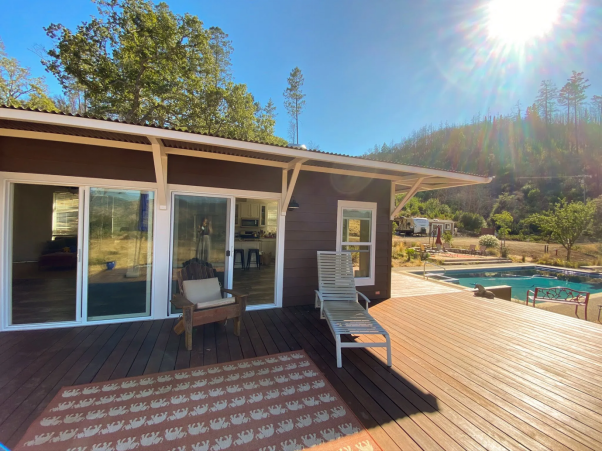
Sustainable housing is most successful when it supports everyday life, not just energy targets. In Sonoma County, that often means designing small homes and accessory units that can change roles over time:
● Guest cottages that become caregiver suites
● Long-term rentals that start as home offices
● Downsizing homes that stay accessible as owners age
By focusing on flexible layouts, robust materials, and low-maintenance systems, designers and builders can ensure that these homes remain useful for decades. That’s where the combination of efficient shells, quality mechanical systems, and smart moisture control makes a real difference.
When humidity is managed from day one, finishes last longer, indoor air stays healthier, and mechanical equipment isn’t constantly overworking to keep up. This kind of “quiet sustainability” often isn’t visible in marketing photos, but it’s critical to making small, efficient homes live as well as they model on paper.
Bringing Greener Living Home
For Sonoma County residents looking to shrink their environmental footprint without sacrificing comfort, Sonoma County’s small homes and thoughtfully designed prefab units are proving to be powerful tools. Built with factory precision, set with minimal waste, and equipped with the right systems, these homes show that sustainable living doesn’t have to mean sacrificing convenience or quality.
Sonoma Manufactured Homes is one of the local firms demonstrating how this works in practice. The company supports homeowners through site evaluation, design, coordination with factories, and installation, while paying particular attention to moisture control in compact spaces. Their use of built-in dehumidification solutions like the IW25 and HWD45 helps ensure that Sonoma County’s small homes stay healthy, efficient, and comfortable year-round.
Homeowners interested in exploring layouts and real-world examples can review Sonoma Manufactured Homes’ ADU models and project gallery. Those ready to talk specifics — whether about a single small home or a series of prefab units — can reach the team via the online contact form or by calling 415–233–0423 to schedule a short call.
About the Author
The author is an independent housing and building-science writer with a focus on high-performance, small-footprint homes. They cover modular construction, indoor air quality, and energy-efficient design for publications across North America.


Comments
Post a Comment