Water Stain Woes in Stuart, FL? A Step-by-Step Guide to Fix Ceiling Damage

Water Stain Woes in Stuart, FL? A Step-by-Step Guide to Fix Ceiling Damage
Living in the beautiful coastal city of Stuart, Florida, we’re blessed with stunning weather and lush landscapes.
However, the combination of humidity, occasional torrential rain, and potential plumbing issues can lead to a common homeowner headache: water stains on the ceiling.
If you’ve noticed an unsightly discoloration creeping across your ceiling, don’t panic. This guide by property restoration experts will walk you through identifying the source of the problem, repairing the damage, and preventing future water stains.
1. Identifying the Source: The Detective Work Begins
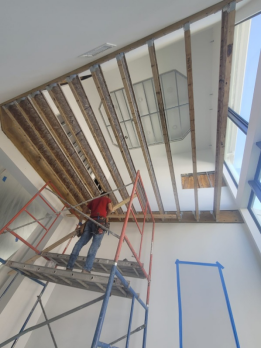
Before you start patching and painting, you need to pinpoint the origin of the water stain. This is crucial for preventing the problem from recurring. Here’s how to play detective:
Check for Active Leaks During Rain: If the stain appeared after a heavy downpour, there’s a good chance you have a roof leak. Carefully inspect your attic (if accessible) for signs of water intrusion. Look for damp spots, water trails, or mold growth.
Inspect Plumbing Fixtures Above: If the stain is located beneath a bathroom or kitchen, check the plumbing fixtures above for leaks. Examine pipes, faucets, toilets, and showers for any signs of dripping or seepage.
Look for HVAC Condensation: In Florida’s humid climate, condensation from your air conditioning system can create water stains. Check your HVAC unit and ductwork for signs of leaks or excessive condensation.
Examine Exterior Walls: If the stain is near an exterior wall, water may be seeping in through cracks or gaps in the siding or windows.
Consider Past Events: Think about any recent events that might have caused water damage, such as a burst pipe, a leaking appliance, or roof damage from a storm.
2. Drying the Affected Area: Essential First Step
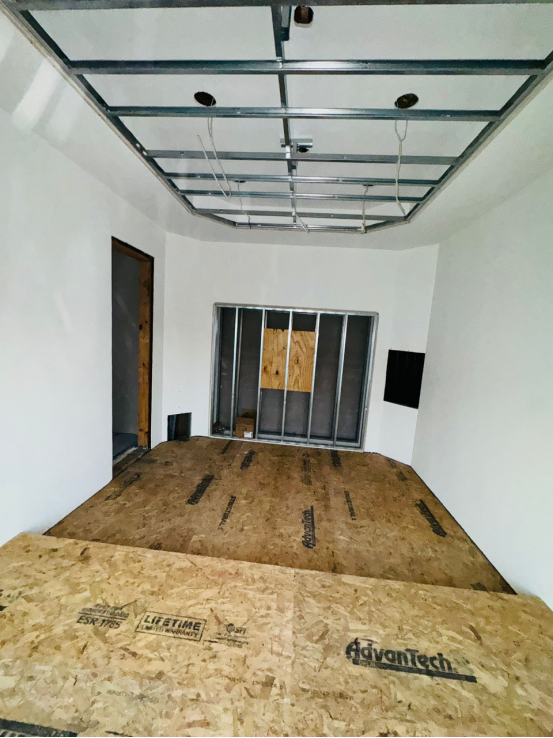
Once you’ve identified and resolved the source of the water leak, it’s essential to thoroughly dry the affected area. This prevents mold growth and ensures proper paint adhesion during the repair process.
Ventilate the Room: Open windows and doors to allow fresh air to circulate. Use fans to increase airflow and speed up the drying process.
Use a Dehumidifier: A dehumidifier can effectively remove moisture from the air and prevent further damage.
Blot Excess Water: If the stain is still wet, gently blot it with a clean, dry cloth or paper towels. Avoid rubbing, which can spread the stain.
Allow Sufficient Drying Time: Depending on the severity of the water damage, it may take several days or even weeks for the area to dry completely. Use a moisture meter to ensure the ceiling is completely dry before proceeding with repairs.
3. Repairing the Water-Damaged Ceiling: Step-by-Step Guide
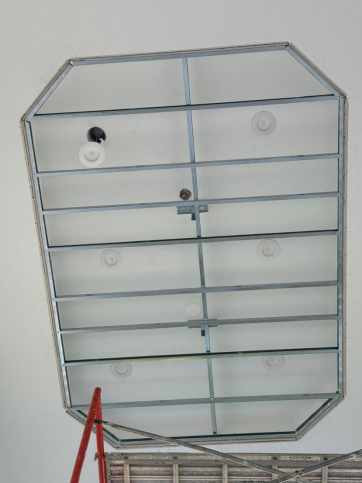
Now that the ceiling is dry, you can begin the repair process. Here’s a step-by-step guide:
Protect the Area: Cover the floor and furniture with drop cloths to protect them from dust and debris.
Remove Loose Material: Use a putty knife to scrape away any loose paint, plaster, or drywall from the stained area.
Clean the Stain:
For light stains, use a solution of mild detergent and water. Gently scrub the stain with a sponge or cloth.
For stubborn stains, use a solution of bleach and water (1 part bleach to 3 parts water). Be sure to wear gloves and eye protection when working with bleach. Rinse the area thoroughly with clean water.
For mold stains, a mold-killing primer is recommended.
Apply a Stain-Blocking Primer: Apply a high-quality stain-blocking primer to the affected area. This will prevent the stain from bleeding through the new paint. Oil-based primers are generally more effective at blocking stains. Follow the manufacturer’s instructions for application.
Patch Any Damage: If the water damage has caused any holes or cracks in the ceiling, you’ll need to patch them.
For small holes, use a spackling compound or drywall patch.
For larger holes, you may need to cut and install a new piece of drywall.
Apply the patching compound according to the manufacturer’s instructions. Allow it to dry completely before sanding.
Sand the Patch: Once the patching compound is dry, sand the area smooth with fine-grit sandpaper. Blend the patch seamlessly with the surrounding ceiling.
Paint the Ceiling: Apply two coats of high-quality ceiling paint to the repaired area. Be sure to match the existing ceiling color for a seamless finish. Allow the paint to dry completely between coats.
4. Preventing Future Water Stains: Proactive Measures
Prevention is always better than cure. Here are some tips to prevent water stains on your ceiling:
Regular Roof Inspections: Schedule regular roof inspections with property restoration experts, especially after severe weather events. Promptly repair any damaged shingles or flashing.
Maintain Plumbing Fixtures: Regularly inspect and maintain your plumbing fixtures to prevent leaks. Replace worn-out washers and gaskets.
Check HVAC System: Schedule annual maintenance for your HVAC system to ensure proper drainage and prevent condensation.
Seal Exterior Walls and Windows: Caulk any cracks or gaps in your exterior walls and around windows to prevent water intrusion.
Proper Ventilation: Ensure adequate ventilation in your attic and bathrooms to prevent moisture buildup.
Monitor Humidity Levels: In Stuart’s humid climate, consider using a dehumidifier to control indoor humidity levels.
Promptly Address Issues: If you notice any signs of water damage, address them immediately to prevent further problems.
5. Dealing with Textured Ceilings:
Textured ceilings, like those with an “orange peel” or “knockdown” finish, can be more challenging to repair. Matching the texture can require specialized techniques. If you’re not comfortable working with textured ceilings, it’s best to hire a professional property restoration expert.
Water stains on your ceiling can be a frustrating problem, but by following these steps, you can effectively repair the damage and prevent future occurrences. By identifying the source of the leak, properly drying the affected area, and taking proactive measures, you can keep your ceilings looking their best.
For professional water mitigation services and expert ceiling repair in Stuart, FL, reach out to Honestly Contracting & Construction. Their experienced team can help you tackle any water damage issues and restore your home to its former glory.
Reach out to them today to learn more about their construction management solutions.
About the Author
Fred H., a seasoned professional, brings decades of hands-on experience in construction management and property restoration. His expertise spans intricate project oversight to detailed restoration work, ensuring quality and efficiency. Known for his problem-solving acumen, Fred navigates complex construction challenges with precision. His dedication to restoring properties to their former glory underscores his commitment to craftsmanship and client satisfaction.


Comments
Post a Comment