PACKAGING DESIGN FOR SUSTAINABLE SHIPPING
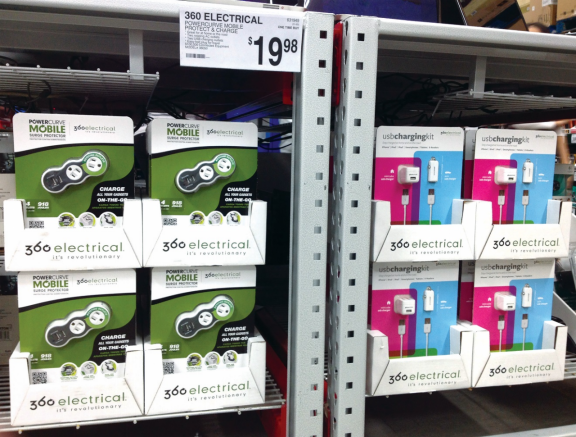
Brands are prioritizing sustainability in order to meet the evolving preferences of consumers. That means the demand for eco-friendly packaging solutions has never been higher. As a sustainable packaging manufacturer, Buckeye Corrugated, Inc. (BCI), understands the importance of creating packaging that not only protects products but also aligns with environmental goals. This article explores how to design corrugated packaging that minimizes waste, reduces shipping costs, and supports sustainability initiatives.
THE IMPORTANCE OF SUSTAINABLE PACKAGING IN E-COMMERCE
E-commerce has transformed how consumers shop, with online purchases becoming the norm. However, the increase in online shopping has led to a surge in packaging waste. E-commerce packaging design must balance product protection with sustainability, ensuring that packages are not only practical but also environmentally friendly. Corrugated packaging is a popular choice for packaging design services due to its strength, versatility, and recyclability. When designed thoughtfully, it can significantly reduce waste and lower the environmental impact of shipping.
MATERIALS: CHOOSING ECO-FRIENDLY OPTIONS
The materials used in packaging play a crucial role in sustainability. Corrugated cardboard is an excellent choice for eco-conscious businesses. It is made from renewable resources, typically a high percentage of recycled content, and is fully recyclable. Additionally, corrugated cardboard is biodegradable, meaning it breaks down naturally without harming the environment.
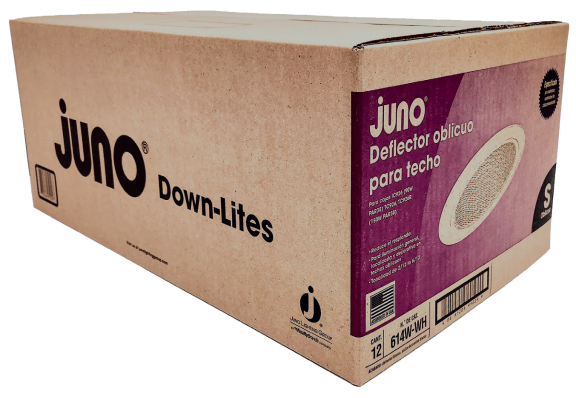
Sustainable packaging solutions have been the focus of CPG brands, from health and beauty to electronics.
As a sustainable packaging manufacturer, BCI offers solutions that use responsibly sourced materials, ensuring that your packaging aligns with your company’s sustainability goals. Businesses can further reduce their environmental footprint by opting for recycled or FSC-certified cardboard.
SIZE OPTIMIZATION: REDUCING MATERIAL USAGE AND COSTS
Another critical aspect of sustainable packaging design is size optimization. Oversized packaging not only wastes materials but also increases shipping costs and environmental impact. By designing packaging that fits the product snugly, companies can minimize the amount of material used and reduce the overall volume of shipments.
Effective packaging design companies like BCI consider the product’s dimensions and weight when designing packaging. This approach ensures that the packaging is tailored to the product, reducing the need for excessive padding or filler materials. Moreover, optimized packaging contributes to lower shipping costs, as smaller packages occupy less space and weigh less, resulting in reduced transportation emissions.
FILLING TECHNIQUES: MINIMIZING WASTE WITH INNOVATIVE SOLUTIONS
Filling techniques are an often overlooked aspect of packaging design that can significantly impact sustainability. Traditional fillers like plastic bubbles and foam peanuts are not only harmful to the environment but also add unnecessary waste to the packaging process.
To create more sustainable packaging, BCI employs innovative filling techniques that reduce or eliminate the need for non-recyclable materials. For example, molded pulp or shredded cardboard provides effective protection while being fully recyclable. These eco-friendly alternatives not only minimize waste but also enhance the overall sustainability of the packaging.
BCI AT THE FOREFRONT OF CUSTOM PACKAGING SOLUTIONS
BCI’s packaging design services prioritize sustainability by incorporating eco-friendly materials, optimizing size, and utilizing innovative filling techniques. By partnering with a sustainable packaging manufacturer like BCI, businesses can achieve their sustainability targets while ensuring that their products arrive safely and securely.
Contact them to discuss your next packaging or display project and discover how custom packaging solutions can elevate your business.


Comments
Post a Comment